

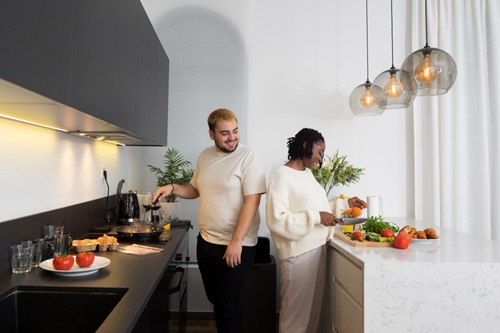
Designing a kitchen that feels spacious, practical, and stylish can be a challenge—especially when you’re working with a compact floor plan or an older home layout. Visiting kitchen showrooms Perth can be a great way to spark ideas, but knowing what to look for (and what actually works in real homes) is even more important.
This guide brings together practical insights, design principles, and hands-on experience to help you create a kitchen that truly fits your lifestyle.
Why Space-Smart Kitchen Design Matters
A well-designed kitchen isn’t just about looks—it’s about the flow, storage efficiency, ergonomics, and how effortlessly the space supports everyday living. When your kitchen is properly planned, you cook faster, clean less, and enjoy the space much more.
What You’ll Learn
- Smart storage upgrades that create more room instantly
- Space-saving layouts used by top designers
- Real-life examples from modern Australian homes
- Practical steps you can follow before planning a renovation
- A checklist you can take to any kitchen showroom
Smart Layout Ideas for Better Space and Function
Choose a Layout That Matches the Way You Live
The way your kitchen is shaped determines how efficiently you can move around it. Below is a quick comparison of common layouts:
Popular Kitchen Layouts in Australia
| Layout Type | Best For | Pros | Cons |
| U-shaped | Busy family kitchens | Excellent bench space | Can feel tight in small rooms |
| L-shaped | Open-plan homes | Easy flow and movement | May require additional island storage |
| Galley | Narrow homes & apartments | Highly efficient | Limited natural gathering space |
| Island + Wall | Entertaining & social cooking | Great for prep and seating | Needs generous space |
If you cook often and need everything within reach, a galley kitchen might be ideal. If your home is an open-plan space where people naturally gather, an island layout will likely serve you better.
Maximise Storage Without Increasing Square Metres
Go Vertical
Most older Australian kitchens only use the bottom half of the wall. Modern designs extend cabinetry right up to the ceiling.
Benefits:
- Massive hidden storage
- Cleaner visual lines
- Fewer dust-collecting ledges
Tip: Choose push-to-open or slimline handles to avoid a bulky look.
Add Pull-Out Storage
Consider installing:
- Pull-out pantries
- Corner carousel units
- Under-sink pull-out bins
- Sliding spice racks
These transform previously wasted spaces into highly organised zones.
Use Open Shelves Mindfully
Open shelves:
- Make small kitchens feel larger
- Highlight your prettiest items
- Offer quick access
However, they:
- Gather dust
- Require tidy styling
- Aren’t ideal for heavy loads
Use them sparingly for everyday essentials.
Functional Upgrades Worth Considering
Deep Drawers Instead of Cupboards
Drawers allow you to see everything at once. No bending, no rummaging.
Best for:
- Pots and pans
- Plates and bowls
- Dry food storage
Integrated Appliances
Hidden dishwashers, fridges, and bins create a seamless look and free up visual space.
Smart Lighting
Layered lighting improves both aesthetics and safety. Consider:
- LED strips under overhead cabinets
- Soft plinth lighting
- Dimmer switches
- Task lighting focused on prep areas
Real-life example:
A Perth homeowner swapped a single overhead fluorescent light for three lighting layers. The kitchen instantly appeared twice as large and far more welcoming.
Design Choices That Make Small Kitchens Feel Larger
Use Light, Natural Colours
Creams, soft greys, pale timber tones, and white stone surfaces all help bounce light around the room.
Pick Reflection-Friendly Finishes
- Satin tiles
- Glass splashbacks
- Polished fixtures
These create the illusion of depth.
Keep Benchtops Clutter-Free
A great rule: If you don’t use it daily, store it.
Clear benchtops make even tiny kitchens feel open and breathable.
Practical Steps Before Visiting a Kitchen Showroom
1. Measure Your Space Properly
Note the following:
- Width and length of the room
- Window and door locations
- Existing plumbing and power points
2. Make a List of Non-Negotiables
Examples:
- “I want a breakfast bench.”
- “I need a full-height pantry.”
- “I want drawers instead of cupboards.”
3. Take Photos of Your Current Kitchen
Showroom consultants can give more personalised advice when they see what you’re working with.
4. Compare Materials and Prices
Not all stone benchtops or vinyl wraps are equal—compare warranties, durability, and maintenance needs.
Showroom Checklist You Can Bring With You
- What layout suits my home?
- How much storage do I really need?
- Are the materials durable for the Australian climate?
- Is the lighting design practical?
- Do the drawers glide smoothly under load?
- How easy is it to clean each surface?
- What’s included in the installation process?
- Are warranties clear and fair?
Frequently Asked Questions
Focus on storage efficiency, layout flow, durable materials, and lighting. These elements have the biggest long-term impact.
Yes—if they are compact. Many modern ranges offer slim islands with smart built-in storage.
Most renovations take 3–6 weeks, depending on demolition, plumbing, and custom cabinetry.
Absolutely. It maximises every centimetre of space and offers better longevity than flat-pack alternatives.
Yes. A cohesive design enhances resale value and improves visual harmony.
Conclusion
Creating a space-efficient, stylish kitchen is all about thoughtful planning and smart design choices. Visiting kitchen showrooms around Perth can give you visual inspiration, but understanding what truly works in Australian homes helps you make confident decisions. Whether you’re renovating a compact apartment or upgrading a family home, the right combination of layout, storage, materials, and lighting can transform the heart of your house into a highly functional, beautiful space.